Introduction
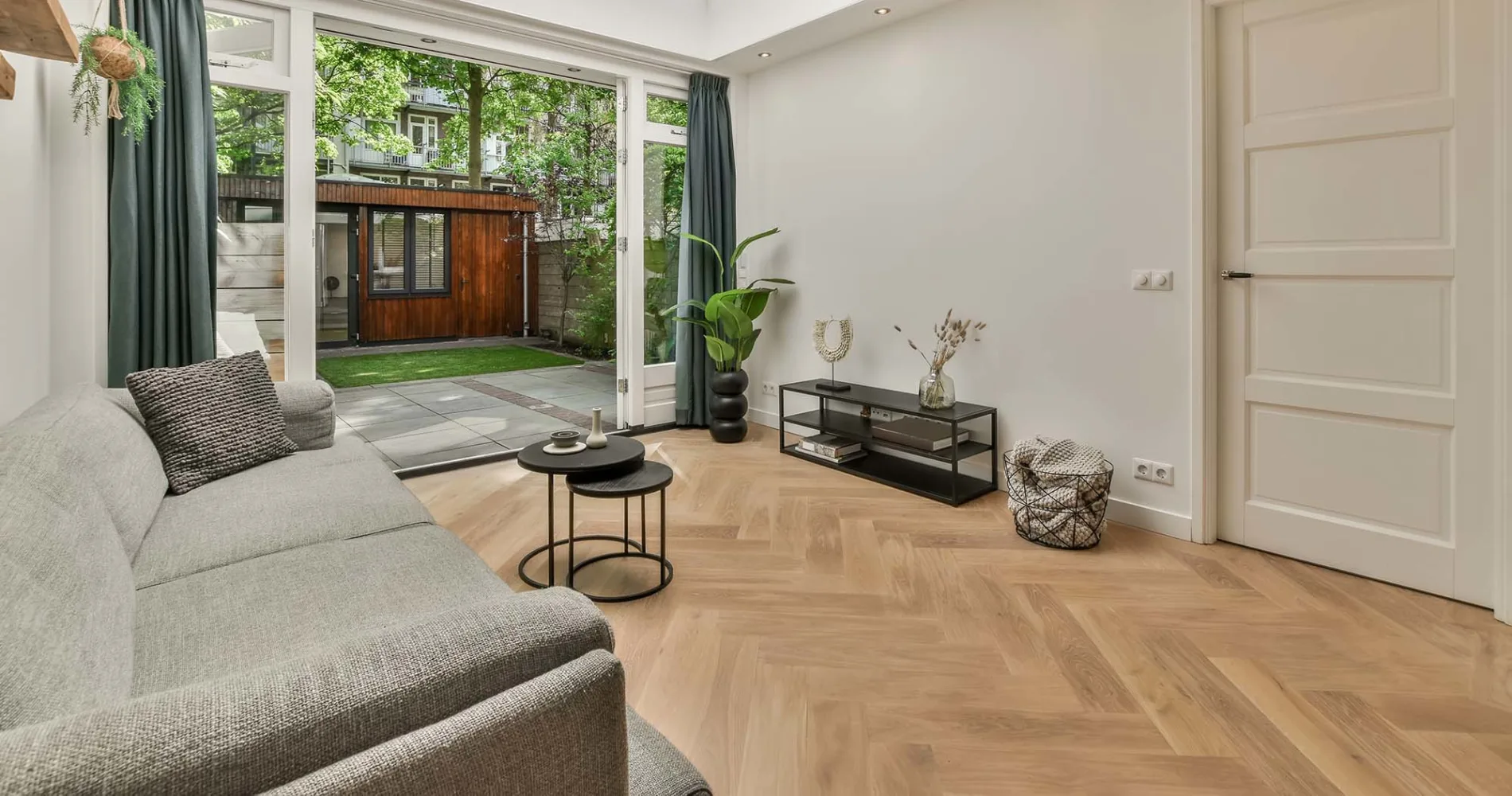
Flooring plays a crucial role in both the aesthetic and functional value of a property. In the UK, where weather conditions can vary significantly throughout the year, choosing the right flooring material is not just about style but also about performance and durability. Among the most popular options are engineered wood flooring and solid wood flooring. While both offer the natural beauty of timber, their construction, behaviour, and suitability for British homes differ considerably.

This guide explores these differences in depth, helping UK homeowners, landlords, and property developers make informed decisions.
Understanding Engineered Wood Flooring
Engineered wood flooring is designed using a multi-layered construction. The top layer, often referred to as the wear layer, is made from real hardwood such as oak, walnut, or ash. Beneath this surface are several layers of plywood or high-density fibreboard, arranged in a cross-grain pattern.
This structure is specifically engineered to provide enhanced stability. Unlike solid wood, which reacts strongly to moisture and temperature changes, engineered wood minimises expansion and contraction. This makes it particularly suitable for the UK climate, where humidity levels fluctuate between seasons.
Another advantage is consistency. Engineered boards are manufactured under controlled conditions, resulting in uniform thickness and quality, which simplifies installation.
Understanding Solid Wood Flooring
Solid wood flooring is crafted from a single piece of timber. It is widely regarded as the premium choice due to its authenticity, longevity, and ability to be refinished multiple times. Popular species in the UK include oak, maple, and beech.
One of the key selling points of solid wood is its lifespan. With proper care, it can last for decades, even centuries in some cases. It can also be sanded down and refinished numerous times, allowing homeowners to restore its original appearance or change its finish.
However, solid wood is highly sensitive to environmental changes. In the UK, where damp conditions are common, this can lead to swelling in winter and shrinkage in summer, potentially causing gaps or warping.
Performance in the UK Climate
The UK’s maritime climate presents unique challenges for flooring. High humidity, frequent rainfall, and varying indoor heating levels all contribute to changes in moisture content within a home.
Engineered wood flooring performs exceptionally well under these conditions. Its layered construction resists movement, making it stable throughout the year. This is particularly beneficial in areas such as London or coastal regions, where humidity can be higher.
Solid wood flooring, on the other hand, requires a controlled indoor environment. Homes without consistent heating or proper insulation may experience issues with movement. For this reason, it is often recommended for well-insulated properties or period homes that have been modernised.
Installation Methods and Practical Considerations
Installation is a major factor when choosing between these two flooring types. Solid wood flooring typically requires professional installation. It must be acclimatised to the room for several days before fitting, and it is usually nailed or glued to the subfloor.
Engineered wood offers more flexibility. It can be installed using floating, glued, or nailed methods. Many modern engineered boards feature click-lock systems, which are ideal for DIY installation. This has made engineered wood increasingly popular among UK homeowners looking to reduce labour costs.
Additionally, engineered wood can be installed over concrete subfloors and is compatible with underfloor heating systems, which are becoming more common in UK renovations.
Cost Analysis
Cost is often a deciding factor. Solid wood flooring is generally more expensive due to the amount of natural timber used. Installation costs are also higher, as professional fitting is usually required.
Engineered wood provides a more cost-effective alternative. While high-quality engineered boards can still be premium-priced, they typically offer better value overall. The reduced installation cost and lower risk of damage in fluctuating conditions make it a financially sensible option for many UK households.
Maintenance and Longevity
Both flooring types require regular maintenance to preserve their appearance. This includes sweeping, vacuuming, and occasional mopping with appropriate cleaning products.
Solid wood flooring has the advantage of longevity. It can be sanded and refinished multiple times, making it a long-term investment. However, it is more prone to scratches and dents, especially in high-traffic areas.
Engineered wood is also durable, though the number of times it can be refinished depends on the thickness of the top layer. Higher-quality engineered boards with thicker wear layers can be refinished several times, extending their lifespan significantly.
Environmental Impact and Sustainability
Sustainability is an increasingly important consideration for UK consumers. Engineered wood flooring is often seen as the more environmentally friendly option because it uses less hardwood overall. The core layers are typically made from fast-growing or recycled materials.
Solid wood flooring, while natural, requires more timber per plank. However, if sourced from responsibly managed forests, it can still be a sustainable choice.
Design Versatility
Both options offer a wide range of finishes, colours, and textures. Engineered wood often provides greater design flexibility, including wider planks and more contemporary finishes. Solid wood tends to appeal to those seeking a traditional or classic aesthetic.
Conclusion
For most UK homes, engineered wood flooring offers the best balance of performance, cost, and versatility. Its resistance to moisture and compatibility with modern heating systems make it a practical choice for today’s living conditions.
Solid wood flooring remains a premium option for those who value authenticity and long-term durability, particularly in stable environments. Ultimately, the right choice depends on your property type, budget, and lifestyle requirements.