Introduction
The flooring industry in the United Kingdom continues to evolve rapidly, driven by changes in lifestyle, environmental awareness, and technological innovation. As we move through 2026, flooring is no longer just a functional element of a home or commercial space—it has become a central component of interior design, comfort, and long-term property value.
For UK homeowners, landlords, and developers, staying updated with current flooring trends is essential. It not only enhances the aesthetic appeal of a property but also ensures that investments align with market expectations and future-proof design standards.
This article explores the most important flooring trends shaping UK homes in 2026, offering insights into materials, colours, patterns, and innovations that are defining modern interiors.
The Shift Towards Natural Aesthetics
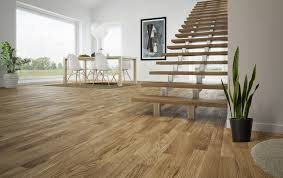
One of the most dominant trends in UK flooring is the growing preference for natural-looking materials. Homeowners are increasingly drawn to designs that replicate the textures and tones of real wood and stone.
Engineered wood and wood-effect flooring products are particularly popular because they provide the warmth and authenticity of natural timber while offering improved durability and stability. Matte finishes, subtle grains, and soft textures are favoured over high-gloss surfaces, creating a more organic and understated look.
This trend reflects a broader movement towards biophilic design, where interiors are inspired by nature to promote wellbeing and comfort.
Rise of Herringbone and Patterned Layouts
Patterned flooring has made a strong comeback in 2026, with herringbone and chevron styles leading the way. These classic patterns add visual interest and a sense of sophistication to both traditional and contemporary spaces.
In UK homes, herringbone is commonly used in living rooms, hallways, and open-plan areas. It works particularly well with wood and wood-effect flooring, creating a timeless yet modern aesthetic.
Beyond herringbone, geometric patterns and mixed-material layouts are also gaining popularity, allowing homeowners to create unique and personalised interiors.
Demand for Waterproof and Water-Resistant Flooring
Given the UK’s damp climate, water-resistant flooring has become a top priority. Homeowners are increasingly choosing materials that can withstand moisture without compromising on style.
Luxury Vinyl Tile (LVT) and advanced laminate products are at the forefront of this trend. These materials offer high levels of water resistance, making them suitable for kitchens, bathrooms, and utility rooms.
The demand for waterproof flooring is also driven by lifestyle changes, including open-plan living and the need for seamless flooring transitions between different areas of the home.
Sustainable and Eco-Friendly Materials
Sustainability is no longer a niche concern—it has become a mainstream priority for UK consumers. Flooring manufacturers are responding by offering eco-friendly options that reduce environmental impact.
Materials such as bamboo, cork, and reclaimed wood are gaining traction. These options are renewable, biodegradable, and often require less energy to produce compared to traditional materials.
Additionally, there is increasing demand for flooring products with low volatile organic compound (VOC) emissions, which contribute to better indoor air quality.
For developers, incorporating sustainable flooring can also enhance property value and appeal to environmentally conscious buyers.
Neutral Colour Palettes with Bold Accents
Colour trends in 2026 continue to favour neutral tones, but with a modern twist. Shades such as beige, greige (a mix of grey and beige), and soft brown dominate the market, creating a calm and versatile base for interior design.
However, darker tones such as deep oak and charcoal are becoming more popular as accent features. These colours add depth and contrast, particularly in larger spaces.
The use of natural colour variations and textured finishes further enhances the authenticity of flooring materials, aligning with the trend towards natural aesthetics.
Wider Planks and Larger Tiles
Another key trend in UK flooring is the use of wider planks and larger tiles. These formats create a sense of space and continuity, making rooms appear larger and more open.
Wide plank wood and wood-effect flooring are especially popular in modern homes, while large-format tiles are commonly used in kitchens and bathrooms.
This trend is particularly relevant in urban areas, where maximising space is a priority.
Integration with Underfloor Heating
Underfloor heating continues to gain popularity in the UK, particularly in new builds and renovations. As a result, flooring materials that are compatible with this system are in high demand.
Engineered wood, LVT, and tiles are among the most suitable options, as they allow efficient heat transfer while maintaining structural stability.
This trend reflects a broader shift towards energy-efficient home design, where comfort and sustainability go hand in hand.
Low-Maintenance Flooring Solutions
Modern lifestyles demand convenience, and this is reflected in the growing preference for low-maintenance flooring. Homeowners are looking for materials that are easy to clean, resistant to stains, and durable enough to handle daily wear and tear.
LVT and laminate flooring are particularly popular in this regard, as they require minimal upkeep compared to traditional materials such as solid wood or carpet.
This trend is especially important for busy households, rental properties, and commercial spaces.
Hybrid Flooring Innovations
Technological advancements have led to the development of hybrid flooring solutions that combine the best features of different materials. These products offer enhanced durability, water resistance, and aesthetic appeal.
Hybrid flooring is becoming increasingly popular in the UK, as it provides a versatile solution for various environments, including high-traffic and moisture-prone areas.
Multi-Functional Living Spaces
The way people use their homes has changed significantly in recent years, with more emphasis on multi-functional spaces. Rooms are now designed to serve multiple purposes, such as working, relaxing, and entertaining.
This shift has influenced flooring choices, with a focus on materials that can adapt to different uses. Durability, comfort, and acoustic performance are key considerations.
Seamless flooring throughout open-plan areas is also becoming more common, creating a cohesive and flexible living environment.
Commercial Influence on Residential Design
Another notable trend is the influence of commercial flooring on residential interiors. Materials traditionally used in offices and retail spaces, such as polished concrete and industrial-style vinyl, are now being incorporated into homes.
This trend reflects a preference for modern, minimalist design and durable materials that can withstand heavy use.
Conclusion
Flooring trends in the UK for 2026 are shaped by a combination of practicality, sustainability, and modern design preferences. Homeowners and developers are prioritising materials that offer durability, water resistance, and ease of maintenance, while also embracing natural aesthetics and innovative patterns.
The growing demand for eco-friendly options and compatibility with underfloor heating highlights a shift towards more sustainable and energy-efficient living.
By staying informed about these trends, UK homeowners and developers can make smarter flooring choices that enhance both the functionality and visual appeal of their spaces, ensuring long-term value and relevance in an evolving market.