Introduction
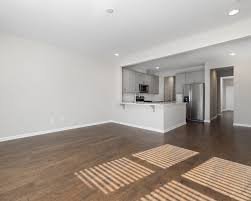
Laminate flooring has become a popular choice among UK homeowners seeking an affordable yet stylish alternative to hardwood. With continuous improvements in design and durability, modern laminate flooring offers a realistic wood appearance without the high cost and maintenance associated with natural timber. For homeowners, landlords, and developers, laminate presents a practical solution that balances aesthetics, durability, and affordability.
This article explores laminate flooring in detail, focusing on its benefits, limitations, installation process, and suitability for UK homes.
What Is Laminate Flooring?
Laminate flooring is a synthetic product composed of multiple layers. The top layer is a transparent wear layer that protects against scratches and stains. Beneath it is a photographic layer that replicates the look of wood, stone, or other materials. The core layer is typically made from high-density fibreboard (HDF), providing strength and stability, while the bottom layer acts as a backing to prevent moisture ingress.
Unlike real wood, laminate does not contain a solid hardwood surface. However, advancements in printing technology have made it increasingly difficult to distinguish laminate from natural materials.
Why Laminate Flooring Is Popular in the UK
Affordability
One of the main advantages of laminate flooring is its cost-effectiveness. It is significantly cheaper than solid or engineered wood, making it accessible to a wide range of UK homeowners. This is particularly beneficial for rental properties or large renovation projects.
Ease of Installation
Laminate flooring is designed for easy installation, often featuring click-lock systems that allow planks to snap together without glue or nails. This makes it a popular choice for DIY enthusiasts in the UK.
Durability
Laminate is highly resistant to scratches, dents, and stains, making it suitable for high-traffic areas such as hallways and living rooms. It is also a practical option for households with children and pets.
Suitability for UK Homes
The UK’s climate, characterised by fluctuating humidity and temperature levels, can affect flooring materials. Laminate flooring performs relatively well in these conditions due to its stable core layer. However, it is not completely waterproof and can be damaged by excessive moisture.
For this reason, laminate is best suited for dry areas such as bedrooms, living rooms, and offices. It is less suitable for bathrooms or areas with high moisture exposure unless specifically designed as water-resistant laminate.
Installation Process
Subfloor Preparation
A clean, dry, and level subfloor is essential for successful installation. Any unevenness can lead to gaps or movement in the flooring.
Underlay
Underlay is typically installed beneath laminate flooring to provide cushioning, reduce noise, and improve insulation. In the UK, underlay is particularly important in flats or terraced homes where sound reduction is a concern.
Floating Installation
Most laminate flooring is installed as a floating floor, meaning it is not fixed directly to the subfloor. This allows for natural expansion and contraction.
Maintenance and Care
Laminate flooring is relatively low maintenance. Regular sweeping or vacuuming helps remove dirt and debris, while occasional damp mopping keeps it clean. However, excessive water should be avoided, as it can damage the core layer.
Protective measures, such as using furniture pads and avoiding dragging heavy objects, can help extend the lifespan of the flooring.
Longevity and Performance
With proper care, laminate flooring can last between 10 and 20 years. While it cannot be sanded or refinished like wood, its durability makes it a practical choice for many UK households.
Limitations of Laminate Flooring
Moisture Sensitivity
Laminate is not fully waterproof, which limits its use in certain areas of the home.
Sound
Without proper underlay, laminate flooring can produce a hollow sound when walked on.
Refinishing
Unlike wood flooring, laminate cannot be refinished once it is worn or damaged.
Environmental Considerations
Many laminate products are made using recycled materials, making them an environmentally conscious choice. Low-VOC options are also available, improving indoor air quality.
Cost vs Value
Laminate flooring offers excellent value for money. Its low cost, combined with durability and ease of installation, makes it a popular choice for budget-conscious UK homeowners.
Conclusion
Laminate flooring is a versatile and cost-effective solution for UK homes. While it may not offer the same longevity as hardwood, its affordability, durability, and ease of installation make it an attractive option for a wide range of applications.